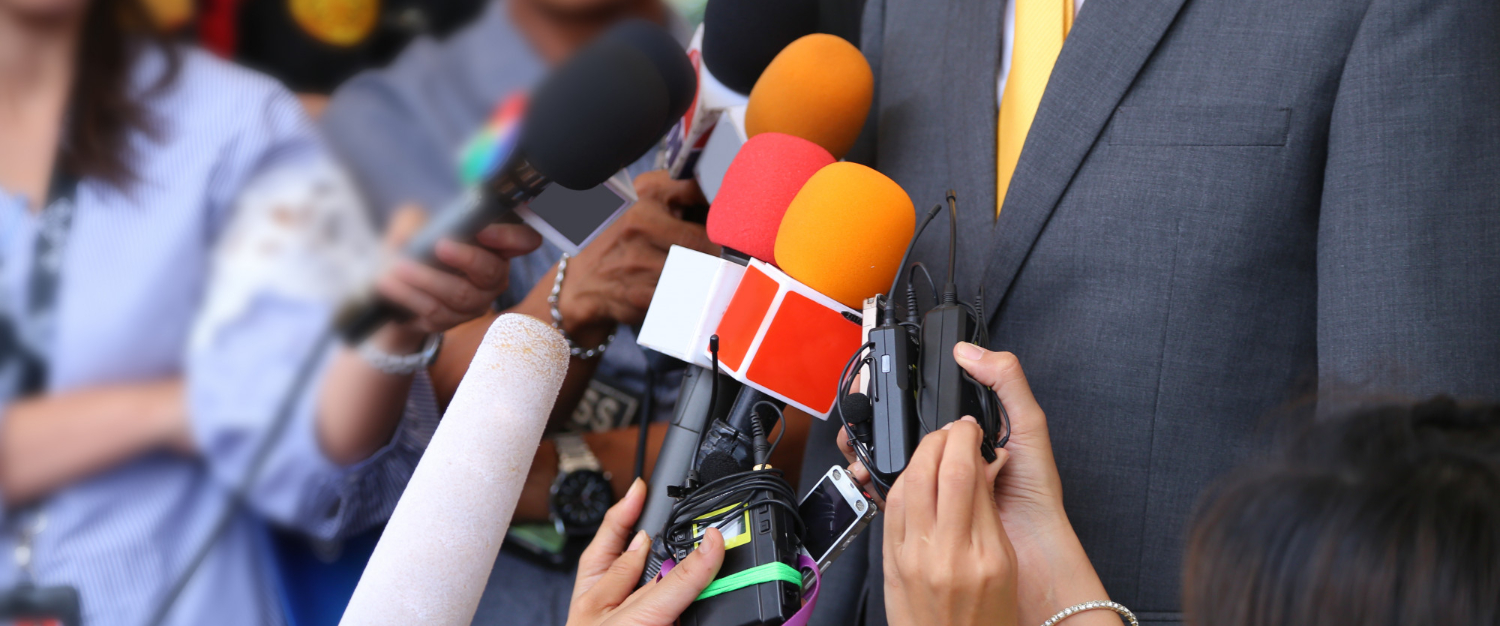
The concept of the “Fourth Estate” refers to the press, which is supposed to act as a watchdog, holding the government and other powerful entities accountable. However, in recent years, there’s been a noticeable shift away from this noble pursuit. The media landscape, particularly corporate media, has increasingly failed to uphold the tenets of the Fourth Estate, leading to a crisis in journalism’s role in democratic societies. Let’s explore this decline, supported by data and examples.
Declining Ratings and Viewership
The trust in media has hit historic lows. In 2025, Americans’ trust in media to report the news fully, accurately, and fairly hit a record low of 28%, according to Gallup. This erosion of trust is mirrored in viewership numbers:
- CNN: In 2025, CNN has experienced double-digit year-to-year declines in total viewers, with an average of 573,000 primetime viewers, according to Nielsen ratings.
- MSNBC: MSNBC also saw significant drops in viewership in 2025, down by 30% in total viewers from the previous year.
This decline is not just about losing audience numbers; it reflects a broader disillusionment with how news is reported.
Sensationalism Over Substance
In the race for “eyeballs,” media outlets have often prioritized sensationalism over substantive, objective journalism:
- Bias and Distrust: A study by the Reuters Institute for the Study of Journalism found that among those who distrust the news media, 67% cite reasons related to bias, spin, and agendas.
- Churnalism: The term “churnalism” has been coined to describe the practice of publishing articles directly from wire services and PR releases, which often lacks the depth of original reporting.
Bias and Bad Journalism
Examples of media bias and poor journalistic practice are numerous:
- BBC Leaked Memo: BBC’s leaked memo brought heavy scrutiny to the outlet, as the memo highlighted instances of editorial bias in their coverage. Specifically, systematic bias was alleged in coverage of transgender issues, the Israel-Hamas conflict, and President Donald Trump’s speech during the January 6 Capitol Attack.
- Iraq War Coverage: Coverage of the Iraq War in the early 2000s was criticized for uncritically parroting government claims about weapons of mass destruction, as noted by former CBS News anchor Dan Rather, who said, “There was a time in South Africa that people would put flaming tires around people’s necks if they dissented. And in some ways, the fear is that you will be necklaced here, you will have a flaming tire of lack of patriotism put around your neck.”
Puppets of Political Narratives
The media’s role as a mere echo chamber for political talking points rather than as a scrutinizer of power has become evident:
- 2024 Election Coverage: The Pew Research Center reported that coverage of the 2024 election consisted primarily of news about the candidates’ comments and actions on the campaign trail, while most Americans were more interested in candidates’ stances on issues and their moral characters.
- Fake News Phenomenon: During the Trump administration, phrases like “fake news” became mainstream, reflecting the public’s perception of media as an arm of political agendas rather than an independent entity. In fact, 73% of Americans stated they had seen inaccurate information about the election at least somewhat often, creating further distrust in the media in the eyes of the public.
The Death of the Fourth Estate
It’s becoming increasingly clear that the Fourth Estate, as traditionally understood, is no more. Here’s why:
- Lack of Accountability: Instead of holding power to account, many media outlets have become part of the very power structures they should be challenging.
- Profit Motives: The need to generate revenue has led to a business model that often conflicts with the ideals of journalism, prioritizing profit over public interest.
- Erosion of Objectivity: The polarization of news has led to audiences self-selecting into echo chambers, reducing the shared factual basis necessary for democratic discourse.
Why This Matters
The failure of the media to act as the Fourth Estate jeopardizes democracy:
- Informed Citizenry: Without objective journalism, citizens lack the information needed to make informed decisions in elections or on public policy, or become swayed by the echo chambers they occur online or on social media.
- Corruption and Misinformation: Without media scrutiny, corruption can flourish, and misinformation or ‘fake news’ can spread unchecked.
- Public Trust: The breakdown in trust between the public and the media can lead to a broader mistrust in institutions, weakening societal fabric.
Conclusion
In conclusion, what we’re witnessing isn’t just a failure of media; it’s a critical moment where the very foundation of democratic accountability is at risk. The media must rediscover its role, or we might need to look towards new forms of journalism and platforms that can genuinely serve the public interest. Until then, the phrase “the Fourth Estate” will remain an ideal rather than a reality.