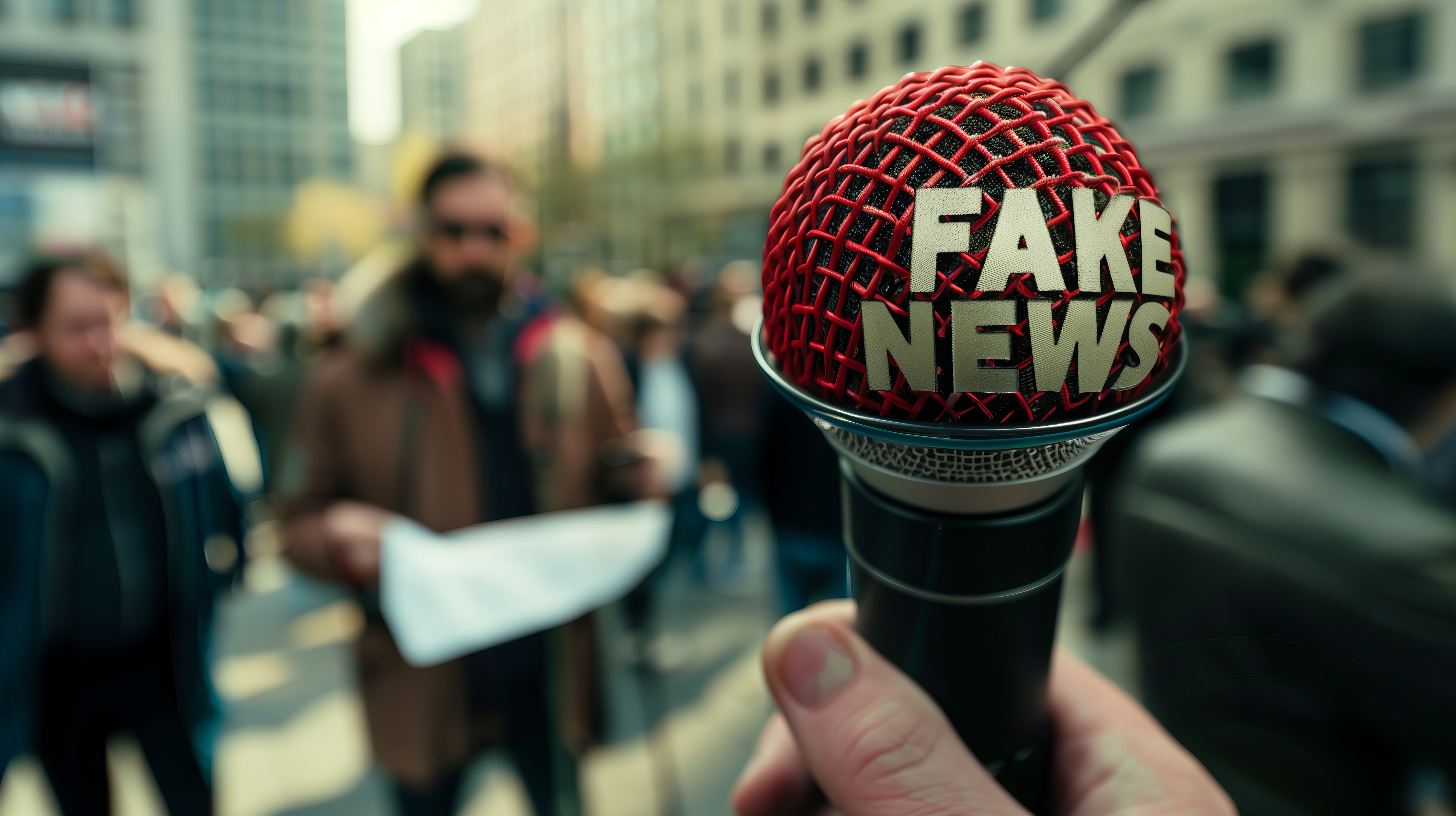
In the modern era, the media landscape is undergoing a profound transformation. Traditional corporate media, once the gatekeepers of information, are facing significant challenges in maintaining trust and relevance. This shift is largely fueled by the advent of technology, which has democratized content creation and distribution, giving rise to citizen journalism and new forms of media. Here’s how this evolution is reshaping the roles of media planners, PR professionals, and marketers.
The Decline of Corporate Media
The once-dominant corporate media has seen a decline in audience trust, primarily due to:
- Perceived Bias: Many consumers feel that mainstream media outlets have agendas that skew their reporting, leading to a loss of credibility.
- Monetization Over Journalism: The push for profit has sometimes led to sensationalism or clickbait, which detracts from the quality and integrity of news.
- Limited Perspectives: Traditional media often provides a narrow range of viewpoints, not reflective of diverse global populations.
The Rise of Citizen Journalism and New Media
Simultaneously, technology has empowered individuals to take on the role of journalists:
- Citizen Journalism: With smartphones and social media, anyone can report on-the-ground news. A 23 year old YouTuber single handedly uncovered the Minneapolis ‘child care’ fraud, potentially the biggest in U.S. history, with his videos going viral on X and prompting federal investigations and congressional action. The gap is obvious, the trust in corporate media is at an all time low, and cost-cutting has resulted in a lack of resources for real investigative reporting. Real-time, unfiltered perspectives replace perceived partisan reporting.
- Podcasts: They’ve become a powerful medium for in-depth analysis, storytelling, and niche content, allowing creators to connect directly with audiences. With large, engaged audiences, influence extends and bleeds into mainstream media.
- Online Media: From blogs to news aggregators, online platforms offer diverse content with less editorial oversight, often providing viewpoints ignored by traditional outlets.
- Social Media: Platforms like Instagram, TikTok, and X have become the modern public square where news breaks, discussions happen, and public opinion is formed in real-time.
Implications for Media Planners, PR, and Marketers
This seismic shift in media consumption has significant implications:
For Media Planners:
- Audience Fragmentation: With audiences spread across multiple platforms, media planners must adopt a multi-channel strategy, balancing reach with niche targeting.
- Trust-Based Advertising: Instead of placement in traditional media, there’s a move towards advertising on platforms or with creators who have established trust with their audience.
- Data-Driven Insights: They must leverage data to understand where their audience consumes media now, adapting campaigns to these new environments.
For PR Professionals:
- Building Relationships: PR now involves engaging with influencers, citizen journalists, and podcast hosts as much as traditional media. Authenticity and transparency are key.
- Crisis Management: With news spreading rapidly on social media, PR strategies need to be agile, with a focus on real-time monitoring and response.
- Advocacy for Freedom of Speech: PR professionals must navigate the balance between corporate messaging and the public’s right to free speech, especially on platforms like X where discourse is open.
For Marketers:
- Content is King: Marketers must produce compelling, authentic content that resonates on personal levels, fitting the informal and direct communication styles of new media.
- Engagement Over Exposure: Marketing success now leans more towards engaging with consumers in meaningful conversations rather than just broadcasting messages.
- User-Generated Content: Encouraging and leveraging content created by users can amplify brand messages authentically, as seen in campaigns on social media platforms.
- Navigating the Public Square: TikTok, Instagram, and X, as public squares, offers a unique opportunity for brands to engage directly with consumers, but it also requires careful management of brand voice amidst diverse opinions, ensuring freedom of speech is respected.
The Role of Freedom of Speech
The democratization of media means freedom of speech has never been more critical or complex. While it empowers diverse voices, it also challenges brands and media professionals to navigate:
- Ethical Considerations: Ensuring that the platforms they use respect and promote free speech while curbing misinformation or hate speech.
- Legal Navigation: Understanding the varying laws and regulations across regions concerning free speech and content moderation.
Conclusion
The changing media landscape is not just about the decline of one form and the rise of another; it’s about a fundamental shift in how information is created, shared, and consumed. For media planners, PR professionals, and marketers, this means adapting to a world where trust, authenticity, and engagement are currency. They must operate in an environment where TikTok and similar platforms serve as the public square, advocating for freedom of speech while strategically engaging with this new, dynamic audience. The challenge is immense, but so are the opportunities to connect with consumers in more meaningful ways.